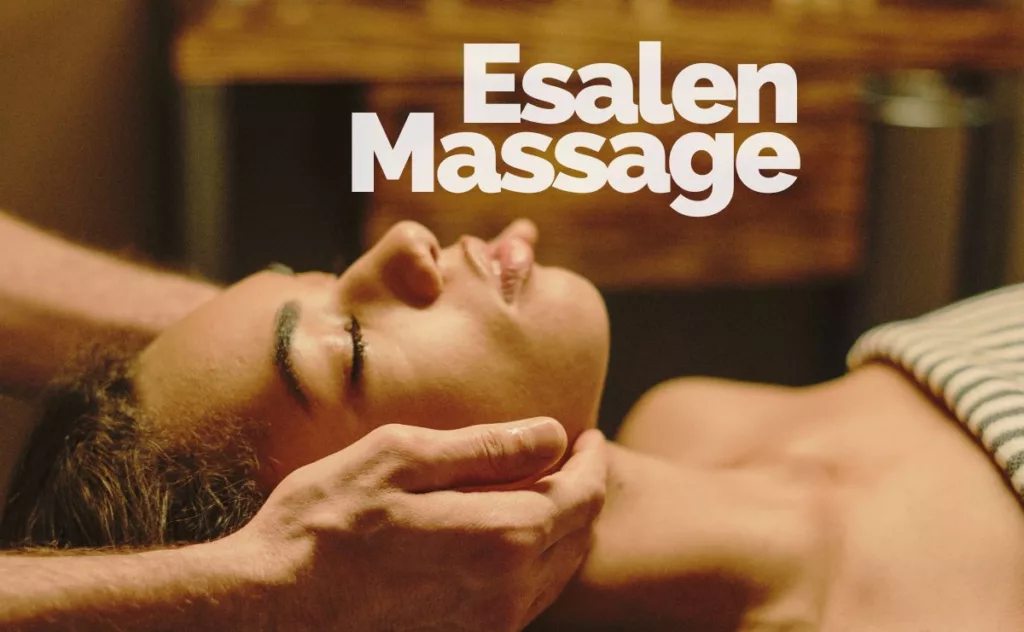
Esalen massage is a style of bodywork associated with long, flowing strokes, gentle movement, and attention to comfort. At Rincon Chiropractic in San Francisco, Esalen massage is provided by Michelle Schneider. This guide explains the approach, what a session may involve, and how to book with Michelle.

Developed at the Esalen Institute in Big Sur, Esalen massage uses a slow pace and broad, flowing strokes. A session can also include gentle movement and pauses. The exact approach depends on the practitioner and the person receiving the massage.
The style is often chosen by people who prefer a slower, more continuous massage experience. Tell your therapist about your goals, pressure preferences, and any areas you would like them to avoid.
Below we explain the style, what to expect, what the research can and cannot tell us, and how to explore current massage appointments in San Francisco.
What Is Esalen Massage?
Esalen massage is a bodywork style developed at the Esalen Institute in Big Sur, California. Its defining features include long strokes, a measured pace, and attention to the recipient’s comfort and awareness.
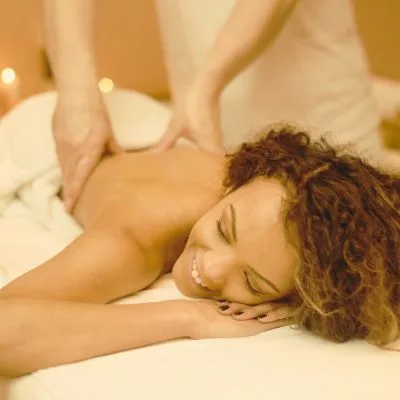
Compared with a massage focused on one area, an Esalen-style session often uses longer strokes that connect different parts of the body. The therapist may adjust the pace, pressure, and amount of focused work according to your preferences.
Esalen massage emphasizes the experience of touch and relaxation. It is not a diagnosis or a substitute for medical treatment. If you have an injury or health condition, discuss it with your health care professional and massage therapist before booking.
Here’s a friendly comparison:
- Focused massage: A therapist may concentrate more time on a particular area or goal.
- Esalen-style massage: A therapist may use longer, connecting strokes and a slower pace.
At Rincon, Michelle Schneider is the provider for Esalen massage. Jane lists her appointments under Table Massage rather than a separate treatment named “Esalen Massage.” Choose Michelle as your practitioner and select the appointment length you prefer.
Why People Choose This Style—and What the Evidence Says
People seek this style for its slow pace and the opportunity to relax. Responses vary. The following are experiences someone might discuss with a therapist, not guaranteed health outcomes.
- Relaxation: Some people find a slow, flowing massage calming.
- Muscle tension: A therapist can adjust pressure and focus on areas that feel tense, within your comfort.
- Body awareness: The slower pace may give you time to notice how your body feels during the session.
- Movement: Gentle movement or stretching may be included if you want it and it is appropriate for you.
- Personalization: Tell the therapist what pressure, areas of focus, and boundaries work for you.
- Comfort: You can ask the therapist to change or stop any technique at any time.
Research on massage therapy overall suggests possible short-term benefit for some pain conditions, but the quality of evidence varies. Research on massage in general does not establish that Esalen massage treats pain, anxiety, depression, trauma, or any other condition. See the National Center for Complementary and Integrative Health’s review of massage research.
Evidence about massage therapy in general should not be taken as proof that Esalen massage treats a specific condition. Choose an approach that fits your goals and discuss medical concerns with your care team.
What to Expect at a Massage Appointment
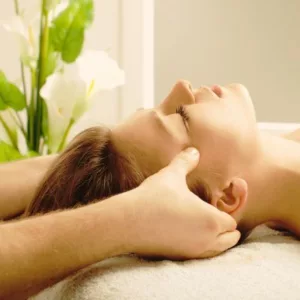
Before a massage, your therapist should ask about your goals, comfort with touch, and relevant health concerns. You can discuss pressure, draping, areas to avoid, and whether movement or stretching feels appropriate.
- Before the session: Discuss your goals, health history, pressure preferences, and areas to avoid.
- During the session: The therapist should explain draping and check your comfort. Tell them if you want a technique changed.
- Massage approach: Long, flowing strokes, gentle movement, or focused work may be used when appropriate and available.
- After the session: Take time to get up at your own pace. Ask your therapist about any symptoms or questions that come up.
The session should follow your preferences. You can request a change in pressure or stop the massage at any time. If you have a new injury, unexplained symptoms, or a condition that could affect massage safety, check with a health care professional first.
Book Esalen Massage with Michelle Schneider
To book an Esalen massage at Rincon, open Michelle Schneider’s San Francisco Jane booking page and choose an available Table Massage appointment.
Michelle is the provider for this style. If you have questions about the approach or which appointment length to choose, call (415) 896-2225 before booking.
Michelle’s Jane page currently lists Table Massage appointments of 30, 45, 60, and 90 minutes, along with a 60-minute prenatal massage option. Her booking page shows current prices and availability.
At your visit, describe the pace and pressure you prefer. Tell the therapist about any relevant injuries, pregnancy, recent surgery, blood clot concerns, or other medical issues so they can decide with you whether the session should be modified or postponed.
Esalen describes its massage style as slow and flowing. Tell Michelle about your goals, pressure preferences, and any health concerns so she can adapt the session as appropriate.
Book massage with Michelle Schneider in San Francisco. On her Jane page, choose the Table Massage length that works for you. For questions, call (415) 896-2225.
For current massage options in San Francisco, see our massage therapy services. The available techniques and appointment lengths vary by practitioner; choose the booking option that fits your needs.