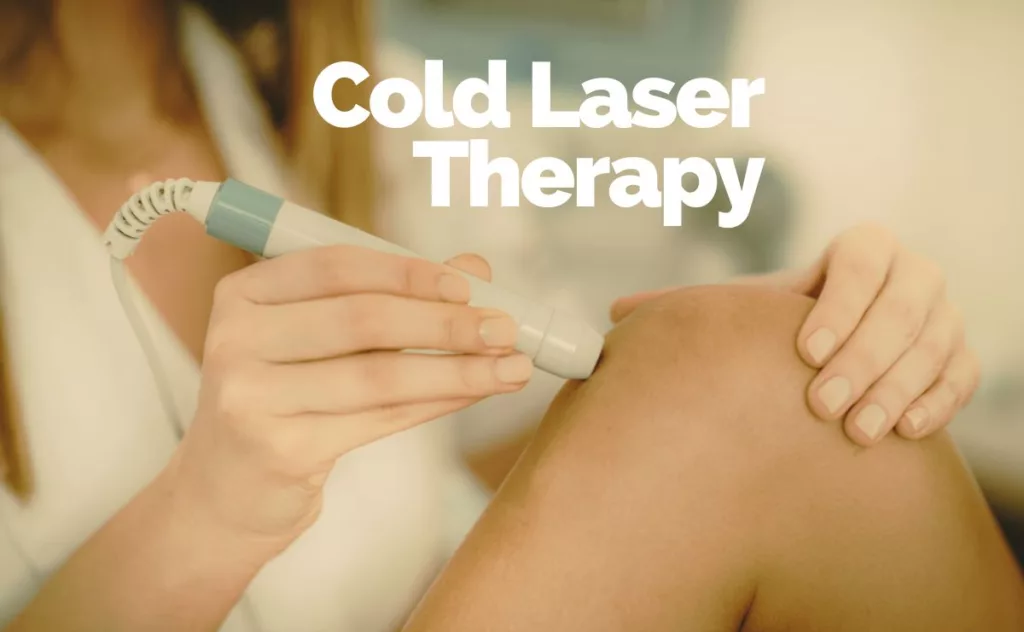
Cold laser therapy, also called low-level laser therapy or photobiomodulation, uses specific wavelengths of light without the heat used in surgical lasers. It is sometimes used as an adjunct to care for musculoskeletal symptoms.
What the evidence shows
Research results vary by condition, device, wavelength, dose, and treatment schedule. Some studies report short-term benefits for selected pain conditions, while others show limited or uncertain effects. Cold laser therapy should not be presented as a cure, and it does not replace an accurate diagnosis, progressive rehabilitation, or medical treatment when those are needed.
What a session involves
A clinician first reviews the problem being treated, relevant health history, and whether this approach is appropriate. The device is positioned over the selected area for a prescribed period. Treatment itself is generally noninvasive, but response varies and a series of visits should not be promised before evaluation.
Safety and screening
Protective eyewear is important, and the beam should not be directed toward the eyes. Tell the clinician about pregnancy, cancer or a suspicious lesion in the treatment area, photosensitivity, photosensitizing medications, bleeding problems, implanted devices, or other relevant medical conditions. The clinician can determine whether treatment, modification, or referral is appropriate.
Seek prompt medical attention for severe or rapidly worsening pain, new weakness or numbness, fever, unexplained swelling, significant trauma, or other concerning symptoms.
Ask about current services
Provider availability and treatment options can change. Review Rincon’s current services or contact the clinic through Jane before scheduling. Rincon Chiropractic is located at 180 Howard Street, Suite G4, San Francisco.
What to expect from cold laser therapy
Cold laser therapy, also called low-level laser therapy or photobiomodulation, uses a device that delivers light to a selected area. Treatment is generally brief and should not feel hot or painful. The dose, treatment schedule, and expected response vary by condition and device. Protective eyewear and appropriate screening are important parts of safe use.
Evidence and safety considerations
Research findings differ by condition and treatment protocol, so cold laser therapy should not be described as a guaranteed cure or replacement for necessary medical care. Tell the practitioner about pregnancy, cancer, light-sensitive conditions or medications, and other relevant health concerns. Treatment should not be directed into the eyes or used over an area that has not been appropriately evaluated.